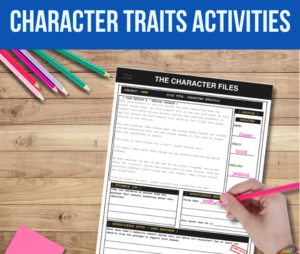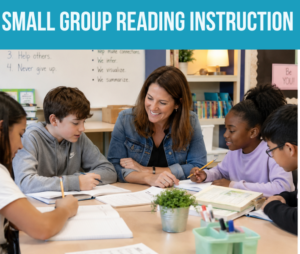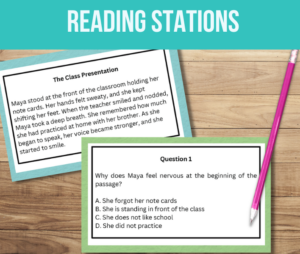

You finally get everyone settled into reading stations. You pull your small group. You’re two minutes into actual teaching (the real kind, the kind you planned for) and then you look up.
Two kids are whispering about something that has nothing to do with reading. One student has been on the same question for ten minutes and is clearly just waiting for you to come help. Three more are technically “working,” but nothing is getting done.
Sound familiar? I’ve been there.
Station management is the number one reason upper elementary teachers give up on reading stations. Not the activities. Not the grouping. The management.
Here’s the thing: student independence during reading stations is a skill. And like any skill, it has to be taught. The good news is that once the system is in place, it mostly runs itself.
Here’s what actually works.
Why Students Get Off Task During Reading Stations
Before you can fix it, it helps to know why it’s happening.
The activity is too hard or too easy. If students can’t do the work independently, they’ll look for you right in the middle of your small group. If they finish in four minutes, they’ll find something else to do. Neither one is the outcome you want.
The expectations aren’t clear enough. Upper elementary students need to know exactly what “on task” looks like during reading stations, not just that they’re supposed to be working. Vague direction leads to creative interpretation.
The routine keeps changing. When reading stations look different every week, students spend their mental energy figuring out what they’re supposed to do instead of doing it. Consistency is what makes independence possible.
None of this means you are doing things wrong. It just means the system needs some adjustments.
Set Up the Routine Before You Worry About the Activities
This is the step most teachers skip, and it’s the exact reason reading stations keep falling apart. Most teachers think this is only for the younger kids, but the older kids need it too.
Introduce reading stations one at a time. Don’t launch four stations on day one. Treat each one like a procedure. Walk students through it. Practice it. Add the next one only when the first one is running smoothly.
Run a dry run first. Do a full rotation practice with zero academic content. Just the movement. Just the routine. Students practice transitioning, finding their station, and getting started. Yes, it takes a day. Yes, it is 100% worth it. You aren’t pulling small groups yet; you are just monitoring.
Put printed directions at every station. Every single station should have a set of directions students can refer to without asking you. When they know exactly what to do, they do it. When they’re not sure, they look for you. Remove the question before it gets asked.
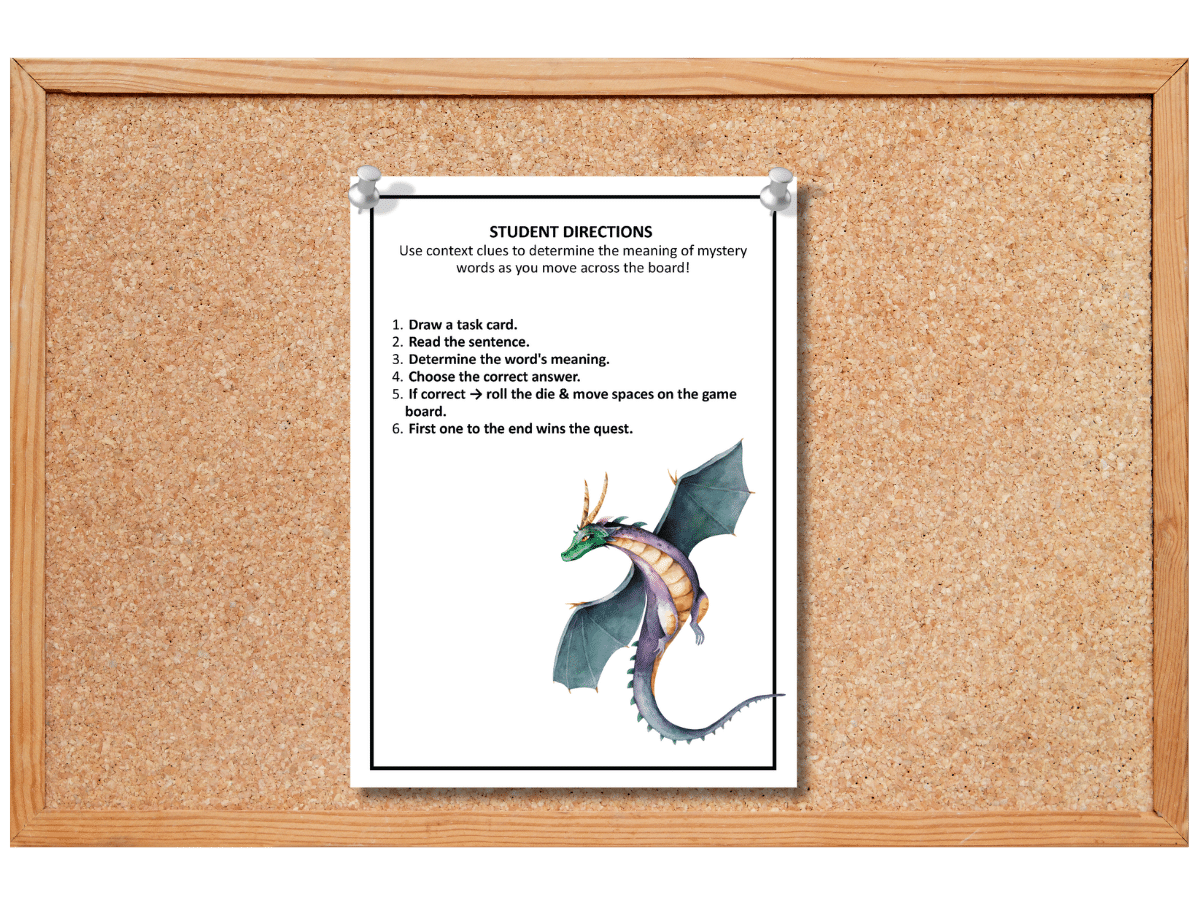
Anchor your expectations visually. A simple anchor chart posted in a visible spot in the room handles a lot of the problems that would otherwise interrupt your small group. The key is to include two things teachers often leave off:
- What to do when you finish early
- What to do when the station isn’t working
“I’m done” and “this isn’t working” are the two moments that create the most off-task behavior. If students already know the answer (go to your independent reading book, try the next activity on the May Do list), they don’t need to come find you.
Use the same transition signal every time. A timer on the board, a chime, a specific sound. Whatever it is, make it consistent. When the signal is predictable, transitions are smooth.
Give Students Accountability Without Overwhelming Yourself
Students stay on task during reading stations when they feel ownership over their work. Here’s how to build that in without adding a pile of grading to your plate.
A weekly station checklist works wonders. A simple Must Do / May Do list tells students what’s expected for the week and puts the responsibility on them to track it. They check things off as they finish. You glance at it. That’s it. It also eliminates the “what am I supposed to be doing?” question, which is responsible for more off-task minutes during upper elementary reading stations than most teachers realize.
Partner accountability keeps things moving. Pair students intentionally. When partners are expected to check in on each other’s progress, they naturally hold each other accountable. It also dramatically cuts down on students seeking you out mid-small group.
Use an exit ticket at the end of every rotation. One question. One sentence answer. Something like: What did you work on today, and what’s one thing you figured out? It’s low stakes for students, but it signals that the work mattered. Students know you’re going to read it. That alone changes behavior.
Want to see what built-in accountability looks like in a real station activity? I made a free Text Evidence Escape Room you can drop into stations this week. Students work in groups, prove every answer with text evidence, and can’t move on until they get it right. That means they stay on task without you having to say a word. Grab it at the bottom of this post.
Choose Reading Station Activities That Can Actually Run Without You
The best accountability system won’t save a reading station with a broken or confusing activity.
Reading stations are for practicing skills students already know. This one is big. If students need you to explain the concept, they cannot do the station independently. Reading stations are review and application, not introduction. Save the new teaching for whole group and small group. When the activity is familiar, students can work through it without looking for help.
Build in self-checking wherever you can. Answer keys at the station, color-coded responses, QR codes. Anything that lets students know if they got it right without waiting for you. When students can self-correct in the moment, they stay engaged. When they have to wait for feedback, they drift.
Game mechanics keep students in it longer. When the activity feels like a challenge, students stay focused. This doesn’t have to be complicated. A simple point tracker, a team element, or a “beat your score” goal is enough. The reading stations that run the smoothest in upper elementary classrooms are the ones that feel less like worksheets and more like something students actually want to do.
Simpler setup means fewer problems. If a student can’t figure out how to get started within sixty seconds, the activity needs to be redesigned. Complex prep and confusing materials are the fastest path to off-task behavior. The best station activities have low setup and high engagement.
My Reading Stations are built specifically with all of this in mind: self-checking, game mechanics, upper-elementary-appropriate passages and tasks, and directions students can follow without coming to find you.
What to Do When Students Still Get Off Task
Even the best reading stations need some maintenance. Here’s how to handle it without blowing up your small group time.
Redirect without stopping your lesson. A look, a proximity move, a pre-taught signal. You don’t have to say a word. If you’ve established the expectations clearly, a glance across the room is often enough. If that doesn’t work, signal for the student to go to their desk or come sit next to you. If they are sitting next to you, they get small group instruction as well.
Save the correction conversation for after stations, not during. Mid-session lectures break the momentum for the whole class. If a student needs a real conversation, have it after rotations end. Make sure they understand what will happen next time if they have a problem during stations.
Adjust the activity before you adjust the student. If the same station keeps producing the same problem week after week, the station needs a tweak, not just more reminders. Usually, the activity is either too hard, too easy, or has a setup issue that makes getting started confusing.
Call out what’s working out loud. When a group does their station well, say so. Upper elementary students respond to being noticed for doing the right thing. It’s not about praising everything. It’s about making the good behavior visible.
You Can Have Uninterrupted Small Group Time
Reading stations work. They really do. But they work because of the system around them, not in spite of a missing one.
When the routine is solid, the expectations are visible, and the reading station activities can actually run without you, something shifts. Your students become more independent. Your small group time becomes more focused. You stop managing from across the room and start teaching the group in front of you.
That’s the whole point of reading stations in upper elementary, and it’s absolutely worth the setup time to get there.
Want a free station activity that puts all of this into practice? Grab the Text Evidence Escape Room below. It’s print-and-go, students work in small groups, and the built-in accountability means they stay on task while you focus on your small group. No extra management required.
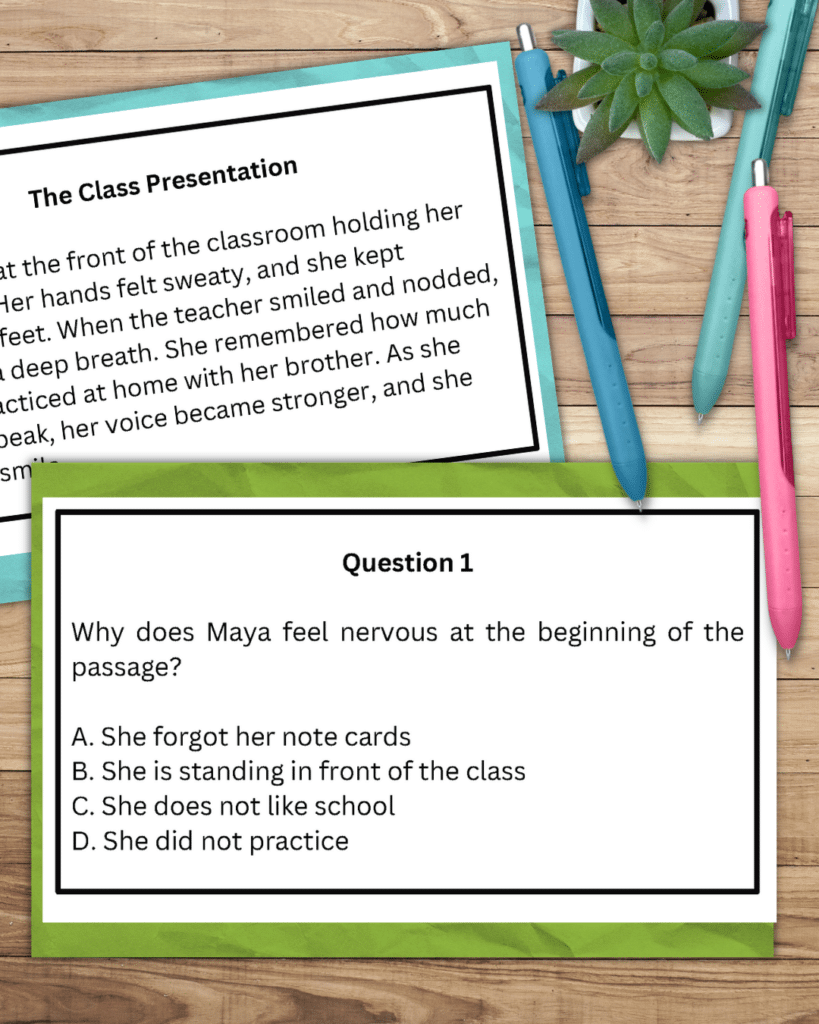
Wanna learn more about using vocabulary in reading stations? Check out my blog here to read more about vocabulary activities that you can incorporate into your reading stations.
Until next time,
Jennifer